
10 Fun and Easy Warm-Up Activities for Large EFL Classes: Engage Your Students from the Start!
10 easy, fast warm-up activities built specifically for large EFL classes — get 30+ students engaged and speaking English from the very first minute.
 By My Teacher
·
February 22, 2024
·
3 min read
By My Teacher
·
February 22, 2024
·
3 min read
Large classes make warm-ups harder, not less necessary. With 30 or more students, an activity needs to work without individual attention, without much setup, and without losing the room halfway through. Here are 10 that hold up at that scale.
Simon Says
Give commands prefaced with “Simon says” (“Simon says, touch your nose”). Students should only follow commands that include the phrase — if you give one without it and a student follows anyway, they’re out. Continue until one student remains, or simply run it as a short, energizing warm-up without elimination.
The Name Game
Standing in a circle, say your name along with an action (clapping, for example). Each following student repeats every name and action that came before, then adds their own. Continue around the circle until everyone’s had a turn.
Ball Toss
Standing in a circle, toss a soft ball to a student while saying their name. That student tosses it on to someone else, saying their name in turn. Continue until everyone’s had a go, or set a timer for a quicker version.
For classes too big to comfortably circle up, split into smaller groups of 8–10 and run several ball tosses simultaneously — same activity, far less downtime waiting for a turn.
Word Chain
Choose a category (animals, food, countries) and say a starting word (“dog”). Each following student says a new word beginning with the last letter of the previous one (“dog” → “giraffe”). Continue until someone repeats a word, hesitates, or takes too long.
Charades
Write actions, animals, or objects on slips of paper. A student picks one and acts it out silently while the rest of the class guesses.
Two Truths and a Lie
Each student thinks of two true statements and one false one about themselves. Taking turns, they share all three while the class guesses which is the lie.
Alphabet Categories
Choose a category (fruits, countries, colors) and have students take turns naming items from it in alphabetical order (“apple, banana, cherry…”).
20 Questions
Think of an object, person, or place. Students take turns asking yes-or-no questions (“Is it a living thing?” “Is it bigger than a car?”) to narrow down and guess what it is.
Countdown
Start counting down from a high number (100, for example), with students taking turns saying the next number in sequence. The goal is to reach zero without two students speaking at once — genuinely trickier, and more fun, than it sounds in a large group.
Story Starters
Give students the opening line of a story (“Once upon a time, there was a lonely dragon…”). Each student adds one sentence, building on what came before.
In a big class, cap this at 10–12 contributors rather than going all the way around — it keeps the story moving and holds attention better than a very long chain.
Making It Work at Scale
The activities that hold up best in large classes share a common thread: they don’t depend on individual attention from you, and they give every student a genuine, low-effort way to participate rather than watching from the sidelines. Pick two or three, see which ones your class responds to, and build a rotation from there.
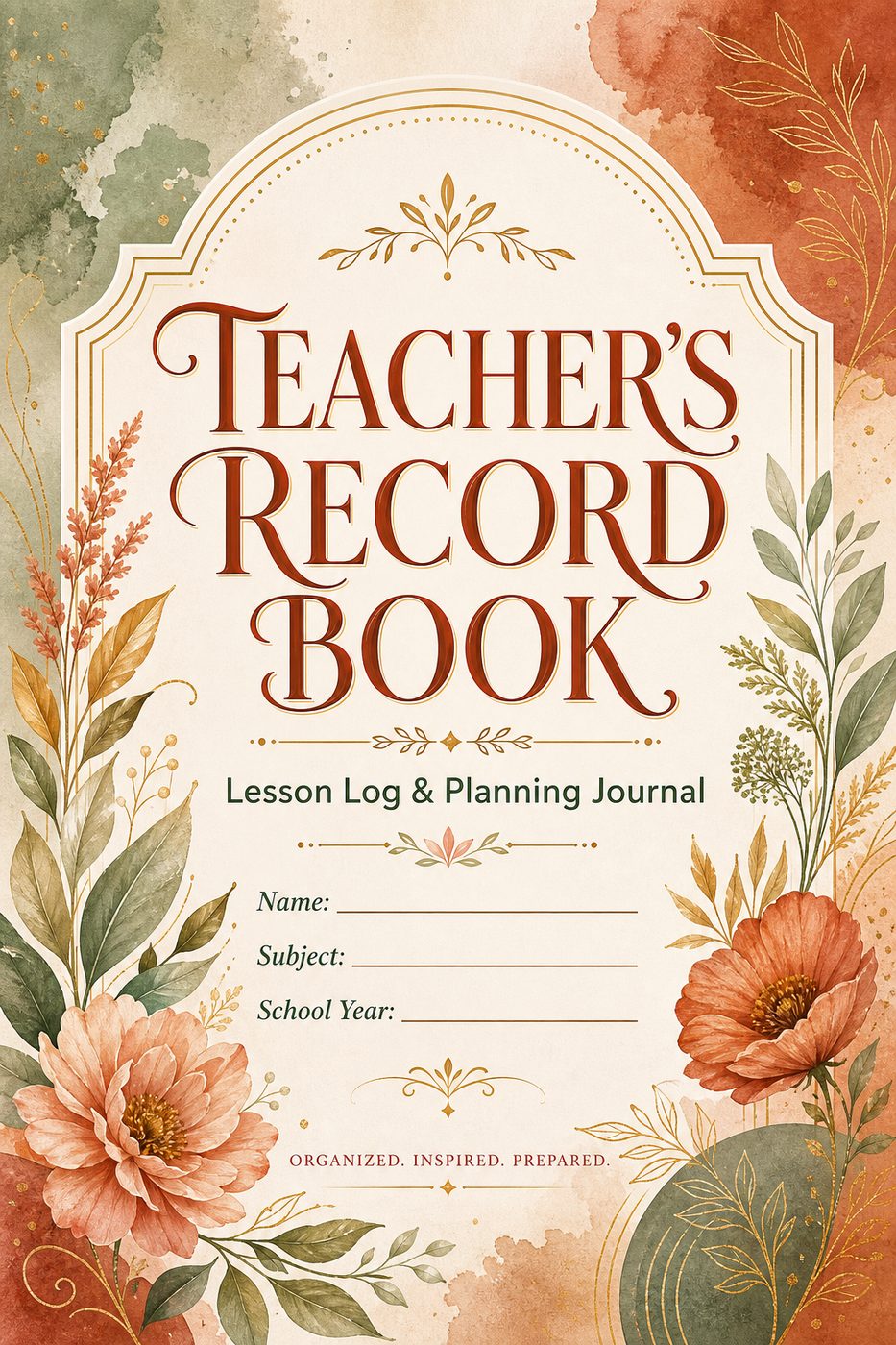
The Teacher Bundle
A complete Record Book, Tracker, and bonus Lesson Planner — everything to plan, teach, and track your school year in one beautiful set.
Discover The Teacher Bundle →
Scan with your phone camera, then tap "Install" on the site to add it to your home screen.
Or open myteacher.ma on your phone