
CRMEF Entrance Exam Guide: What to Expect and How to Prepare (Written & Oral)
A complete guide to the CRMEF entrance exam for aspiring English teachers in Morocco — what the written and oral stages actually test, and how to prepare for each one.
 By My Teacher
·
August 13, 2026
·
5 min read
By My Teacher
·
August 13, 2026
·
5 min read

Getting into CRMEF is the first real hurdle on the way to becoming an English teacher in Morocco — and it’s a two-part process most candidates only half-understand going in. There’s a written exam testing general education knowledge and English proficiency, and then, for those who pass it, an oral interview built around a short presentation. Most preparation material online focuses entirely on the written stage. This guide covers both.
The two-stage structure
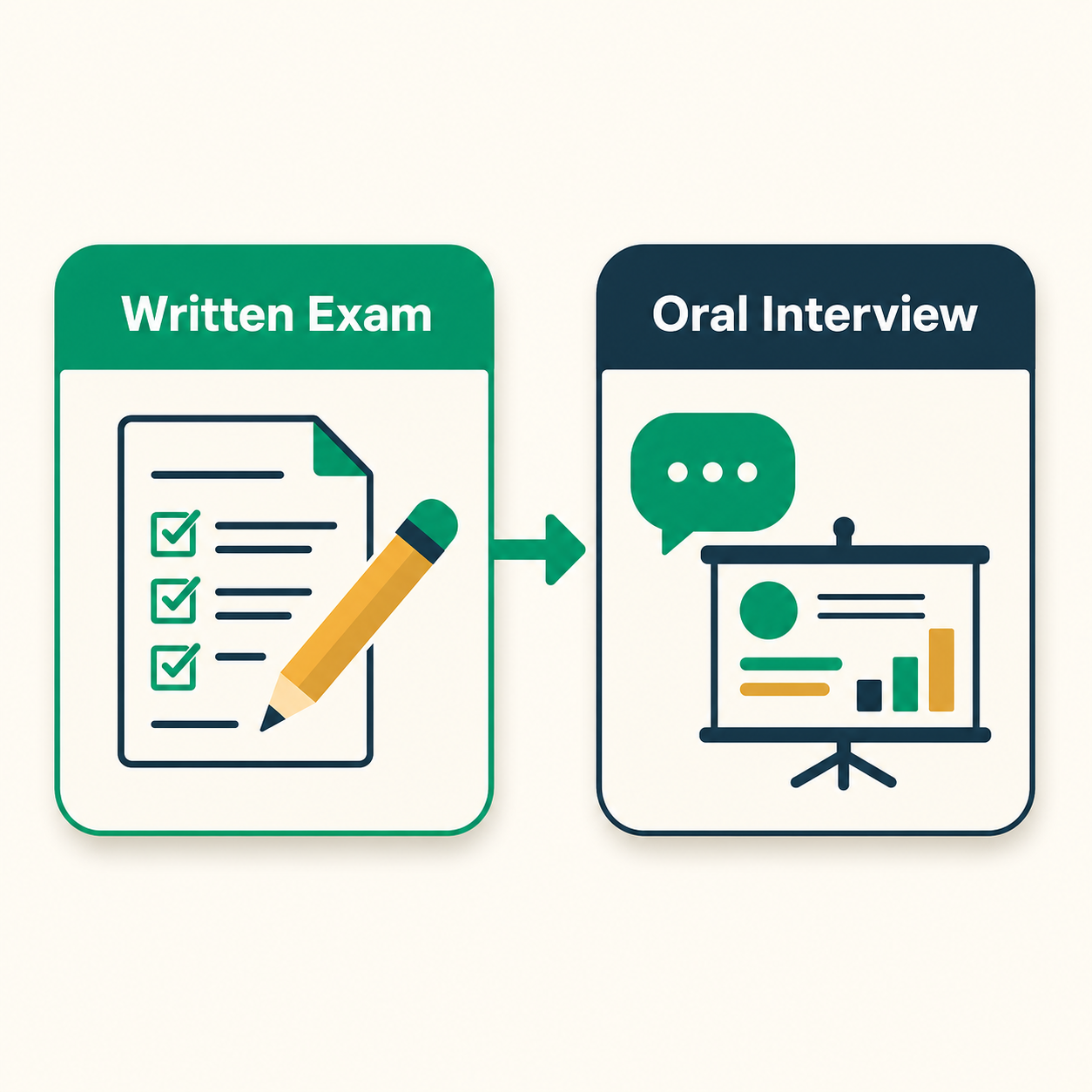
The CRMEF selection process runs in stages: application review based on university grades, a written exam covering general education knowledge and English proficiency, and — for candidates who pass — an oral interview evaluating motivation, competencies, and communication skills through a short presentation.
Stage One: The Written Exam
The written exam has two real components, and candidates who prepare for only one tend to be caught off guard by the other.
General education knowledge
This section tests broader pedagogical and educational knowledge, not English specifically. It rewards candidates who’ve genuinely engaged with education as a field — reading about teaching methodology, Moroccan education policy, and general pedagogy — rather than those relying purely on English language skill.
English language proficiency
This section tests your own command of English directly — vocabulary, grammar accuracy, reading comprehension, and often categorization or word-association tasks. It’s testing whether you, the candidate, have the language level needed to teach it — not testing teaching methodology.
How to prepare for the written stage
Since a large volume of past CRMEF written exams and mock papers already exist online, the highest-value preparation is simply working through as many real past papers as you can find, timed, under exam-like conditions — not just reading grammar reference material passively.
Time yourself from the start
Untimed practice builds knowledge but not exam readiness. Once you’re comfortable with the content, switch to timed practice runs so the real exam’s pace doesn’t catch you off guard.
Stage Two: The Oral Interview
This is the stage most candidates prepare for the least — and it’s arguably the one that actually decides the outcome, since it’s evaluating you directly as a future teacher, not just your test-taking ability.
What it actually evaluates
The oral stage centers on an interview evaluating your motivation for teaching, your relevant competencies, and your communication skills — typically structured around a short presentation you prepare and deliver, often using slides.
Structuring your presentation
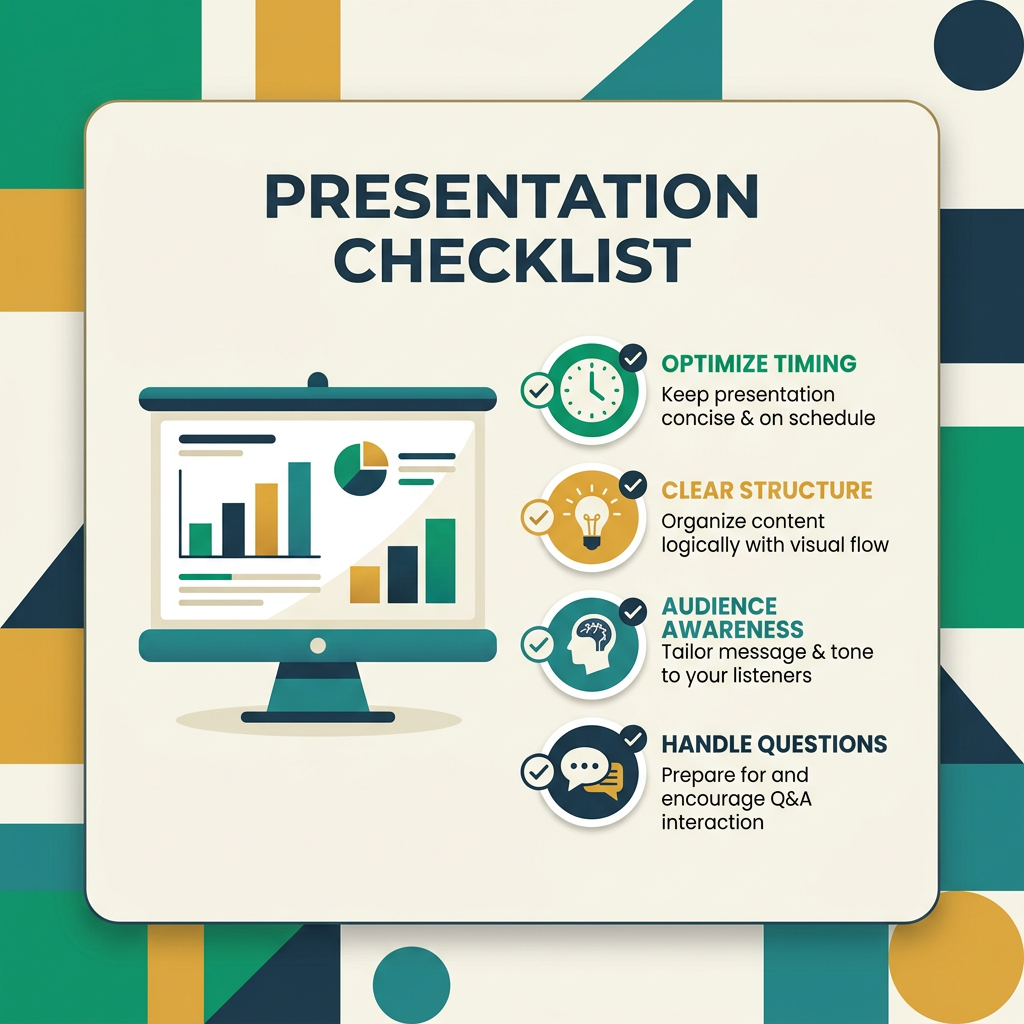
Treat this like any professional interview presentation: know your time limit exactly and don’t exceed it, open with a clear statement of what you’ll cover, use two or three strong points with concrete examples rather than a long unfocused list, and close with a clear takeaway. Standing rather than sitting, where possible, projects more confidence and makes it easier to use natural gesture.
Don’t just read your slides
The most common presentation mistake is turning slides into a script and reading them aloud. Interviewers are assessing your ability to communicate, not your ability to read — slides should support what you’re saying, not replace it.
Prepare for follow-up questions
Oral interviews rarely end when the presentation does. Expect direct follow-up questions about your motivation for teaching, how you’d handle specific classroom situations, and what draws you to English specifically as a subject. Answering with genuine examples from your own experience — tutoring, studying, volunteering — lands far better than generic, rehearsed answers.
Composure matters more than a perfect answer
If a question catches you off guard, take a moment rather than rushing a weak answer. Interviewers are also watching how you handle pressure — which is, after all, a genuine part of the job you’re applying for.
Putting It Together
The written exam tests what you know. The oral interview tests whether you can actually communicate it, under real pressure, in front of people evaluating you — which is, not coincidentally, a fair preview of the job itself. Preparing seriously for both stages, not just the one with more practice material available online, is what separates candidates who pass from candidates who don’t.
Once you’re through CRMEF and into your first classroom, the Teacher Bundle and Textbook Directory can help you get oriented quickly with the materials Moroccan classrooms actually use.
It has two parts: general education knowledge (broader pedagogical and educational understanding) and English language proficiency (vocabulary, grammar, comprehension) — testing both your general educational grounding and your own command of English.
It typically involves preparing and delivering a short presentation, followed by an interview evaluating your motivation for teaching, relevant competencies, and communication skills.
This varies by session, so confirm the exact time limit given to you rather than assuming — but treat whatever limit you’re given as fixed, since exceeding it reflects poorly on time management.
Both matter — you can’t reach the oral stage without passing the written one, but the oral interview evaluates you directly as a future teacher, including qualities like communication and composure that a written test can’t measure.
The Teacher Bundle
A complete Record Book, Tracker, and bonus Lesson Planner — everything to plan, teach, and track your school year in one beautiful set.
Discover The Teacher Bundle →
Scan with your phone camera, then tap "Install" on the site to add it to your home screen.
Or open myteacher.ma on your phone