
Your First Year Teaching English in Morocco: A Survival Guide for New Teachers
A practical survival guide for new English teachers starting their first year in a Moroccan classroom — what actually helps in the first weeks, and what to let go of.
 By My Teacher
·
August 13, 2026
·
5 min read
By My Teacher
·
August 13, 2026
·
5 min read

Nothing in teacher training quite prepares you for the actual first weeks of your own classroom — the specific mix of adrenaline, uncertainty, and 40 unfamiliar faces looking back at you, waiting to see who you are as a teacher before you’ve fully figured that out yourself.
This isn’t a theory guide. It’s what actually helps in the first year, and what’s genuinely fine to let go of.
You're not meant to have it all figured out yet
Teacher development research consistently shows that classroom management confidence and instructional fluency build steadily over the first two to three years of teaching — not the first term. Struggling in year one isn’t a sign you chose wrong; it’s the normal shape of the job.
Before the First Bell
Walk in with a routine, not a personality
You don’t need to have decided who you are as a teacher yet — that develops over time. What you do need on day one is a consistent routine: how class starts, how attention is called for, how work is collected. Students settle faster around predictable structure than around a fully formed teaching persona.

Over-plan your first few lessons
New teachers consistently underestimate how much material a lesson actually needs — running out of content ten minutes early, with no backup plan, is one of the most common and most avoidable first-week problems. Plan slightly more than you think you’ll need, especially early on, while you’re still calibrating your own pacing.
Building Authority Without Being Harsh
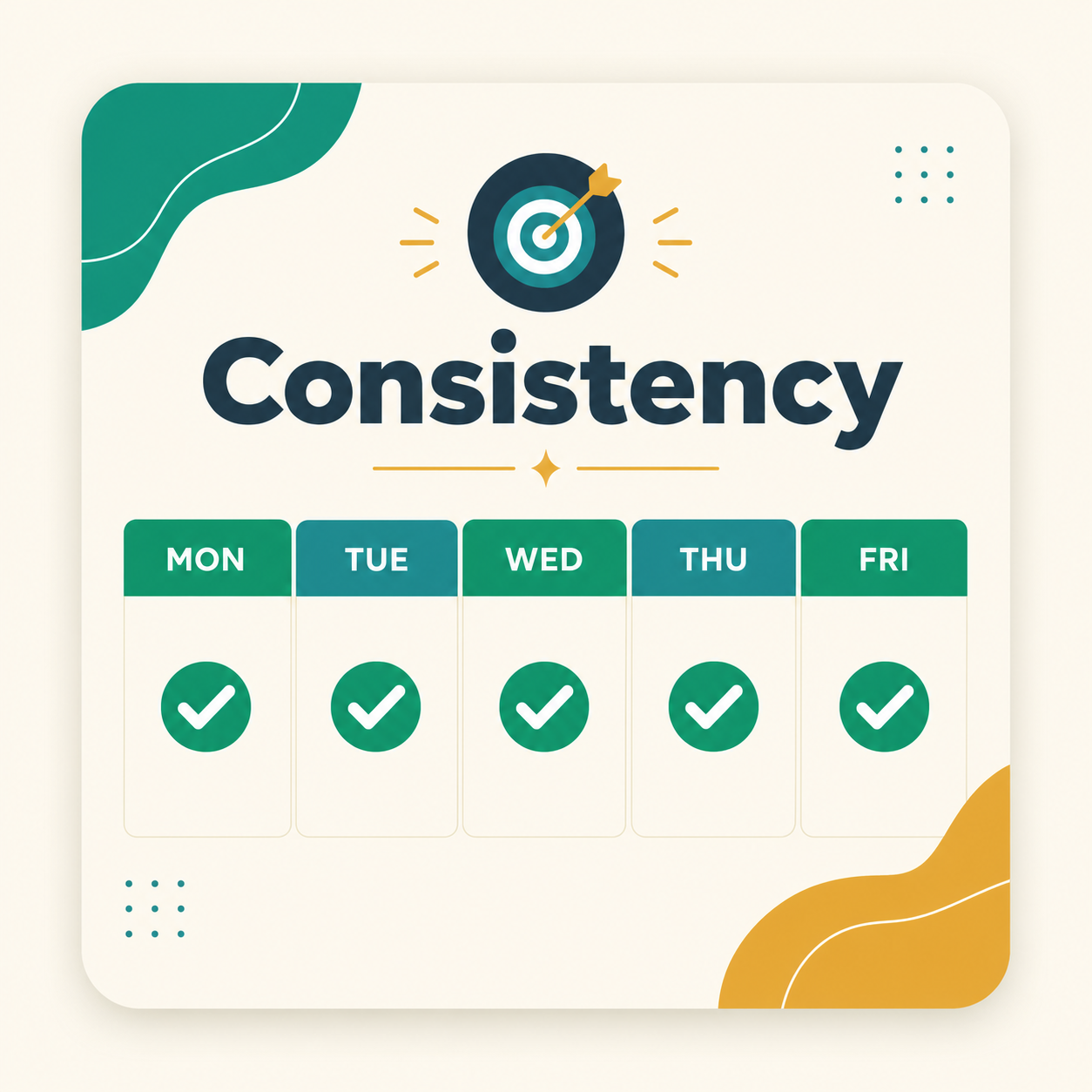
Consistency matters more than strictness
Students test boundaries with every new teacher — this is normal, not personal. What actually builds authority isn’t being the strictest teacher in the building; it’s applying the same rules the same way, every single time, so students learn quickly what to expect from you.
Don’t take the first difficult class personally
A rowdy first lesson doesn’t mean you’ve failed, and it doesn’t predict the rest of the year. It usually means students are figuring out where the boundaries are — which is exactly what a clear, consistently enforced routine addresses over the following weeks.
Pick your battles in week one
You don’t need to correct every small issue immediately. Focus your energy on the two or three things that matter most for a functioning classroom (attention signal, respect, participation) and let smaller things go early on — trying to control everything at once is exhausting and rarely effective.
Managing Your Own Workload
Build a lesson bank, don’t start from zero every week
Every lesson plan you write is a resource for next year, not just this week. Keep a simple folder — physical or digital — of what you taught and how it went, so your second year genuinely gets easier rather than repeating the same first-year workload indefinitely.
Ask other teachers real, specific questions
Experienced colleagues are one of the fastest ways to shortcut your own learning curve — but vague questions (“any advice?”) get vague answers. Specific questions (“how do you handle latecomers?” “what do you do when nobody answers a question?”) get genuinely useful, usable answers.
You don't have to build every resource yourself
If lesson prep is eating your evenings in these early months, the Teacher Bundle and Smart English Worksheets Complete Pack exist specifically to remove that weekly burden — genuinely useful in year one, not just something to consider once you’re established.
What to Let Go Of
The idea that every lesson needs to be perfect
A lesson that runs a little rough, finishes early, or needs a mid-class adjustment isn’t a failure — it’s information about your pacing and your students, which makes your next lesson better. Perfectionism in year one is a fast route to burnout, not to better teaching.
Comparing yourself to experienced teachers
A teacher with ten years in the classroom has ten years of built-up routines, timing instincts, and lesson banks you haven’t had time to build yet. Comparing your first term to their tenth year measures the wrong thing.
Putting It Together
The first year of teaching is genuinely hard, and it’s supposed to get easier — not because the job changes, but because you build routines, a lesson bank, and instincts you simply don’t have yet in September. Focus on consistency over perfection, and give yourself the same patience you’d give a student who’s still learning.
Yes — teacher development research consistently shows classroom management confidence and instructional fluency build over the first two to three years, not immediately. Struggling early on is the normal shape of the job, not a sign of the wrong career choice.
Consistency matters more than strictness — apply the same rules the same way every time, so students quickly learn what to expect. Being the strictest teacher in the building matters far less than being a predictable one.
Plan more material than you think you’ll need for your first several lessons, since new teachers consistently underestimate pacing — having a short backup activity ready prevents the awkward gap of finishing ten minutes early with nothing planned.
Keep every lesson plan you write as a reusable resource for next year rather than starting from zero each week, and consider ready-made lesson materials for at least part of your teaching load while you’re still building your own bank of resources.
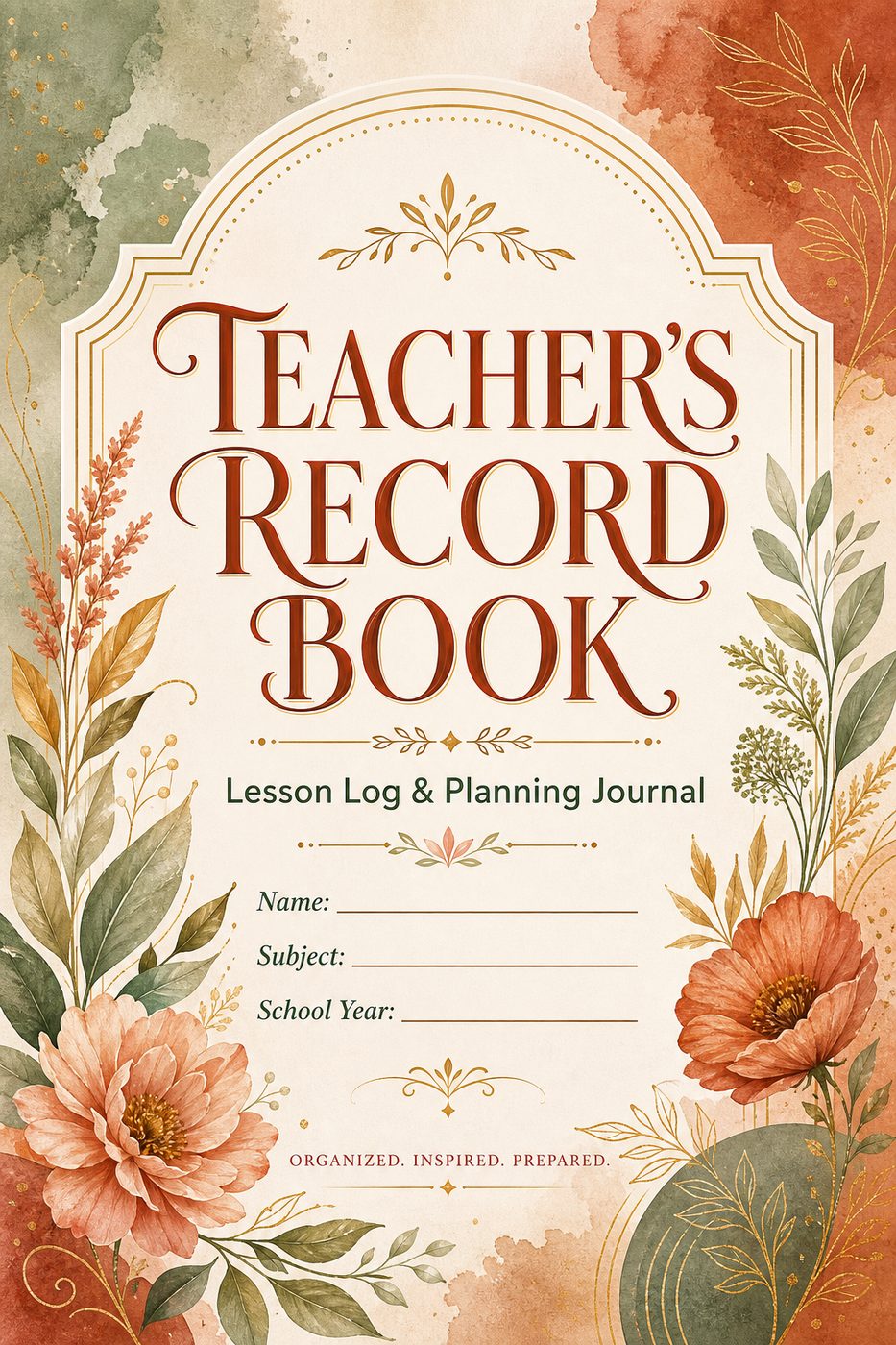
The Teacher Bundle
A complete Record Book, Tracker, and bonus Lesson Planner — everything to plan, teach, and track your school year in one beautiful set.
Discover The Teacher Bundle →
Scan with your phone camera, then tap "Install" on the site to add it to your home screen.
Or open myteacher.ma on your phone