
How to Create Engaging EFL Lesson Plans Using the Standards-Based Approach
A practical guide to planning EFL lessons around the Standards-Based Approach — clear objectives, engaging activities, and a full sample lesson plan you can adapt.
 By My Teacher
·
September 11, 2024
·
5 min read
By My Teacher
·
September 11, 2024
·
5 min read

The Standards-Based Approach shapes how English is taught across Moroccan classrooms — but knowing the framework and actually building a lesson plan around it are two different skills. This guide walks through both: what SBA actually means in practice, and a real, step-by-step process for turning a curriculum standard into a lesson students stay engaged with.

What Is the Standards-Based Approach?
The Standards-Based Approach is a teaching method built around clearly defined learning standards — specific outcomes set by educational authorities to ensure consistency and quality across classrooms. In EFL teaching, this means focusing on concrete language skills (speaking, listening, reading, writing) that students are expected to master at each level, with every lesson plan tied directly back to those standards.
Why it matters in a Moroccan classroom specifically
SBA gives every lesson a clear, measurable target instead of a vague topic — which matters most in large, mixed-ability classes, where “cover the material” isn’t specific enough to actually plan around.
Why the Standards-Based Approach Works
Five real advantages come from planning this way, rather than starting from a topic and working backward:
Clarity and focus
A clear objective tells both teacher and students exactly what the lesson is actually for — not just what topic it covers.
Consistency
Standards create uniformity across classrooms and schools, so students moving between classes or teachers aren’t working from a completely different baseline.
Accountability
Because the objective is measurable, you can actually check whether students met it — not just guess based on how the lesson felt.
Targeted learning
Lessons built around one specific goal tend to be tighter and more effective than lessons trying to cover everything related to a topic.
Adaptability
A clear standard makes differentiation easier, not harder — you always know exactly what “meeting the standard” looks like for both stronger and struggling students.
Six Steps to Build a Standards-Based Lesson Plan

1. Identify the standard and set a measurable objective
Start with the specific standard you’re targeting — for example, “Students will be able to use the past perfect tense in context.” From there, write one clear, measurable objective: “Students will write a short paragraph using at least five examples of the past perfect tense.”
2. Break the skill into manageable steps
Split the objective into a logical sequence — for the past perfect, that might mean: introducing the form, covering when and why it’s used, then moving into practice through fill-in-the-blank exercises, sentence correction, and paragraph writing.
3. Design genuinely engaging activities
Vary the activity types so different students actually stay engaged — a warm-up game to review or introduce the topic, group work building sentences together, a short role-play using the target structure in context, and (where available) a quick interactive digital exercise.
4. Build in real assessment and feedback
Include both a quick formative check (an exit ticket, a short quiz) and, when appropriate, a more complete summative assessment. Feedback that’s specific — what was correct, what wasn’t, and why — matters more than a score alone.
5. Differentiate for the range of students in the room
Give stronger students a genuine extension (a longer piece of writing, a more complex structure to attempt) and give struggling students more guided practice or paired support — both from the same core objective, not two different lessons.
6. Reflect and revise afterward
After teaching the lesson, ask honestly: did students actually meet the objective? Which activities genuinely worked? What would you change next time? This step is what turns one decent lesson into a reliably good lesson plan you can reuse.
Keep one lesson, one objective
It’s tempting to fold in three loosely related goals because they fit the topic. A single, clearly measurable objective per lesson is far easier to plan around — and far easier to tell whether students actually achieved.
Sample Lesson Plan: Past Perfect Tense
Objective: Students will be able to use the past perfect tense correctly in sentences and short paragraphs.
- Warm-Up: A quick review game using past tense verbs.
- Introduction: Explanation of the past perfect tense — its structure and example sentences.
- Activity 1: Group work — students create original sentences using the past perfect tense.
- Activity 2: A short role-play using the tense in a realistic context.
- Assessment: Exit ticket — students write 3 sentences using the past perfect tense.
- Feedback: Brief, personalized feedback on each exit ticket, noting correct usage and one specific area to improve.
Looking for ready-made lesson plans built this same way, already matched to the Moroccan curriculum? The Smart English Worksheets Complete Pack and Teacher Bundle can save you the planning step entirely.
It’s a teaching method built around clearly defined learning standards or outcomes, focusing lesson plans on specific, measurable language skills students are expected to master, rather than a general topic.
A topic describes what the lesson is about (“the past perfect tense”), while a standards-based objective describes exactly what students will be able to do by the end (“write a paragraph using at least five examples of the past perfect tense”) — specific enough to actually assess.
No — it’s a planning method, not a set of tools. Digital platforms like Kahoot or Quizlet can support the practice stage if available, but the approach works just as well with a board and a worksheet.
Keep the core objective identical for the whole class, then adjust the activity around it — a longer, more complex writing task for stronger students, and more guided practice or peer support for students who need it, both working toward the same measurable outcome.
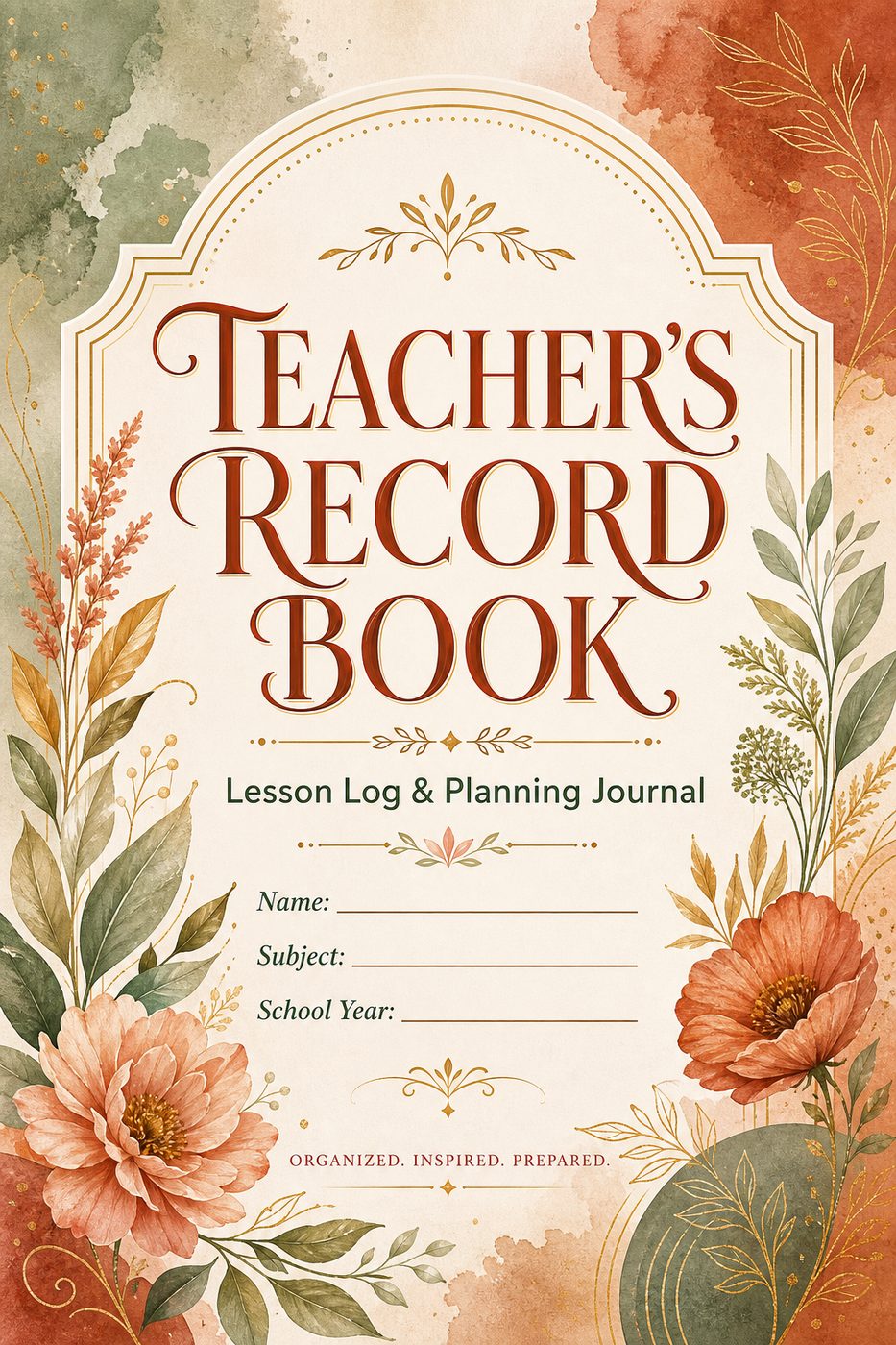
The Teacher Bundle
A complete Record Book, Tracker, and bonus Lesson Planner — everything to plan, teach, and track your school year in one beautiful set.
Discover The Teacher Bundle →
Scan with your phone camera, then tap "Install" on the site to add it to your home screen.
Or open myteacher.ma on your phone