
Surviving the Inspection Visit (Visite d’Inspection): A Prep Guide for English Teachers
The visite d'inspection is one of the most anxiety-inducing days on a Moroccan teacher's calendar. Here's a practical, realistic guide to preparing your documentation, your lesson, and yourself.
 By My Teacher
·
August 10, 2026
·
7 min read
By My Teacher
·
August 10, 2026
·
7 min read
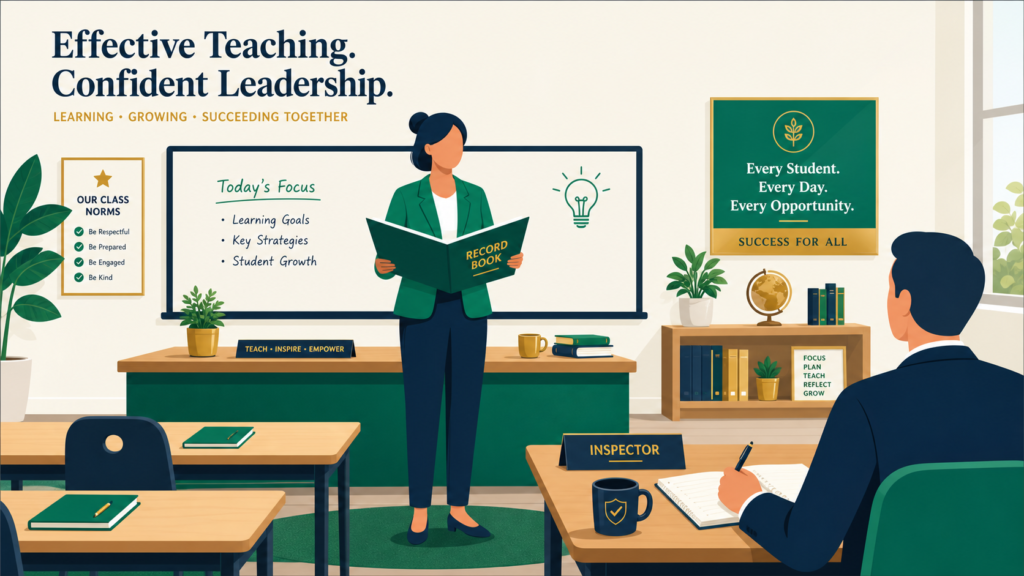
Few dates on a Moroccan teacher’s calendar carry as much weight as the visite d’inspection. It affects career advancement, it happens with little notice, and there’s nothing quite like knowing someone is sitting at the back of your classroom evaluating everything from your lesson objective to your grade sheets.
The good news is that inspection visits reward exactly the kind of consistent, well-organized teaching this whole series has been about — not a special performance you put on for one day, but the normal habits of a teacher who plans and documents well all year.
What Inspectors Are Actually Looking For
Inspection criteria vary somewhat, but a few things come up consistently: a clear lesson objective, a visible and logical lesson structure, evidence that you differentiate for different levels, effective classroom management, and up-to-date documentation — your pacing guide, lesson plans, and grade records. None of this is about a flawless performance; it’s about demonstrating a real, working system.
Get Your Paperwork Ready Well Before the Visit
1. Keep your record book current all year, not just before an inspection
A pacing guide, daily lesson log, and timetable that are visibly up to date year-round look completely different to an inspector than ones hastily filled in the week before a visit — and the difference is usually obvious.
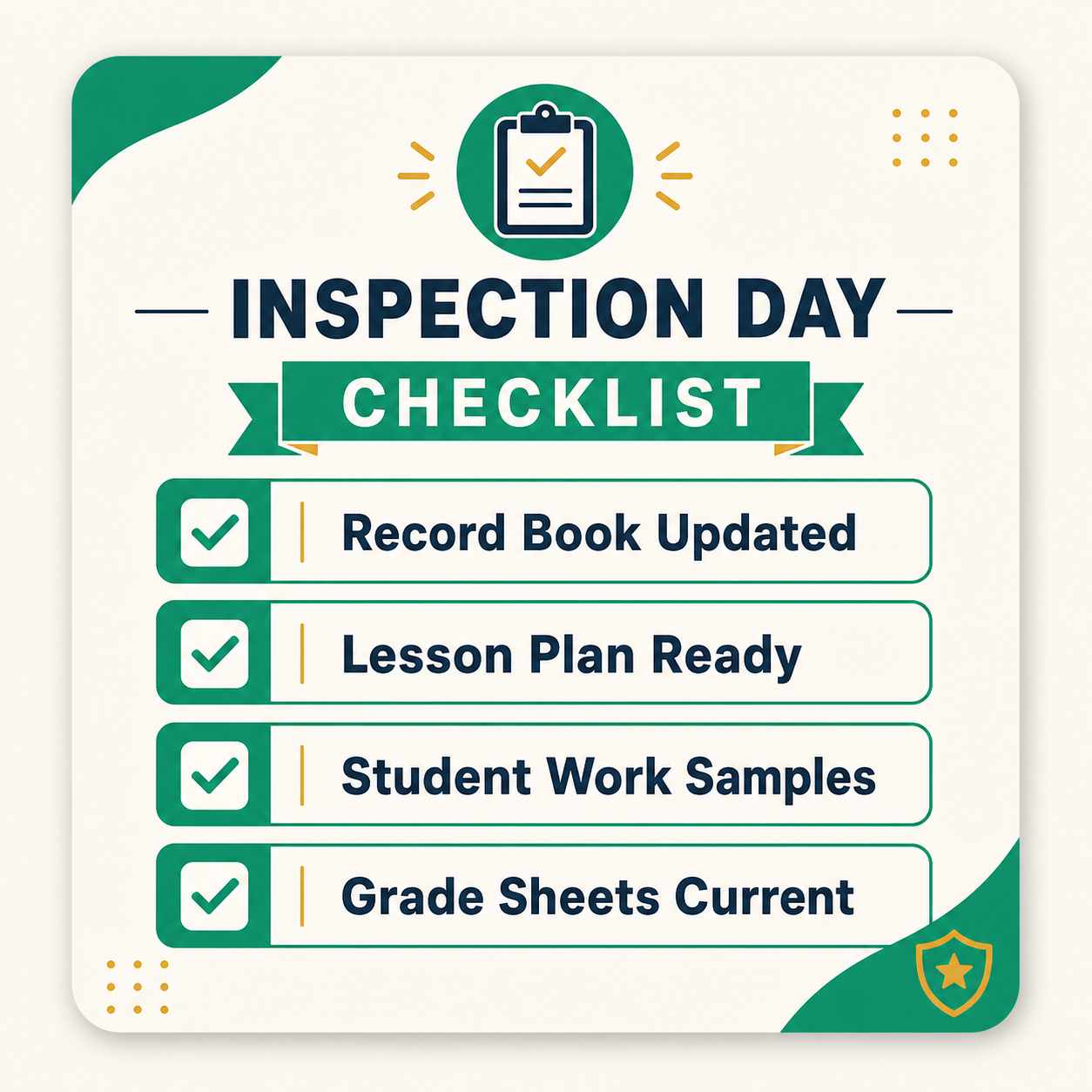
2. Match your lesson plan format to what’s expected
Written lesson plans that clearly show objective, stages, timing, and materials are far easier for an inspector to follow — and far easier for you to teach from confidently — than an informal outline that only makes sense to you.
3. Keep a small portfolio of graded student work on hand
A few examples of marked assignments, showing your correction system and feedback in practice, gives concrete evidence of your assessment process beyond what a grade sheet alone can show.
Consistency is the actual evidence
An inspector reviewing several weeks of a well-kept record book learns far more about your teaching than any single observed lesson can show on its own — the paperwork is not a formality, it’s your strongest evidence of a real, working system.
Structuring the Observed Lesson Itself
4. State your objective clearly, out loud, early in the lesson
“By the end of this lesson, you will be able to…” said explicitly in the first few minutes gives the inspector — and your students — an immediate, clear reference point for everything that follows.
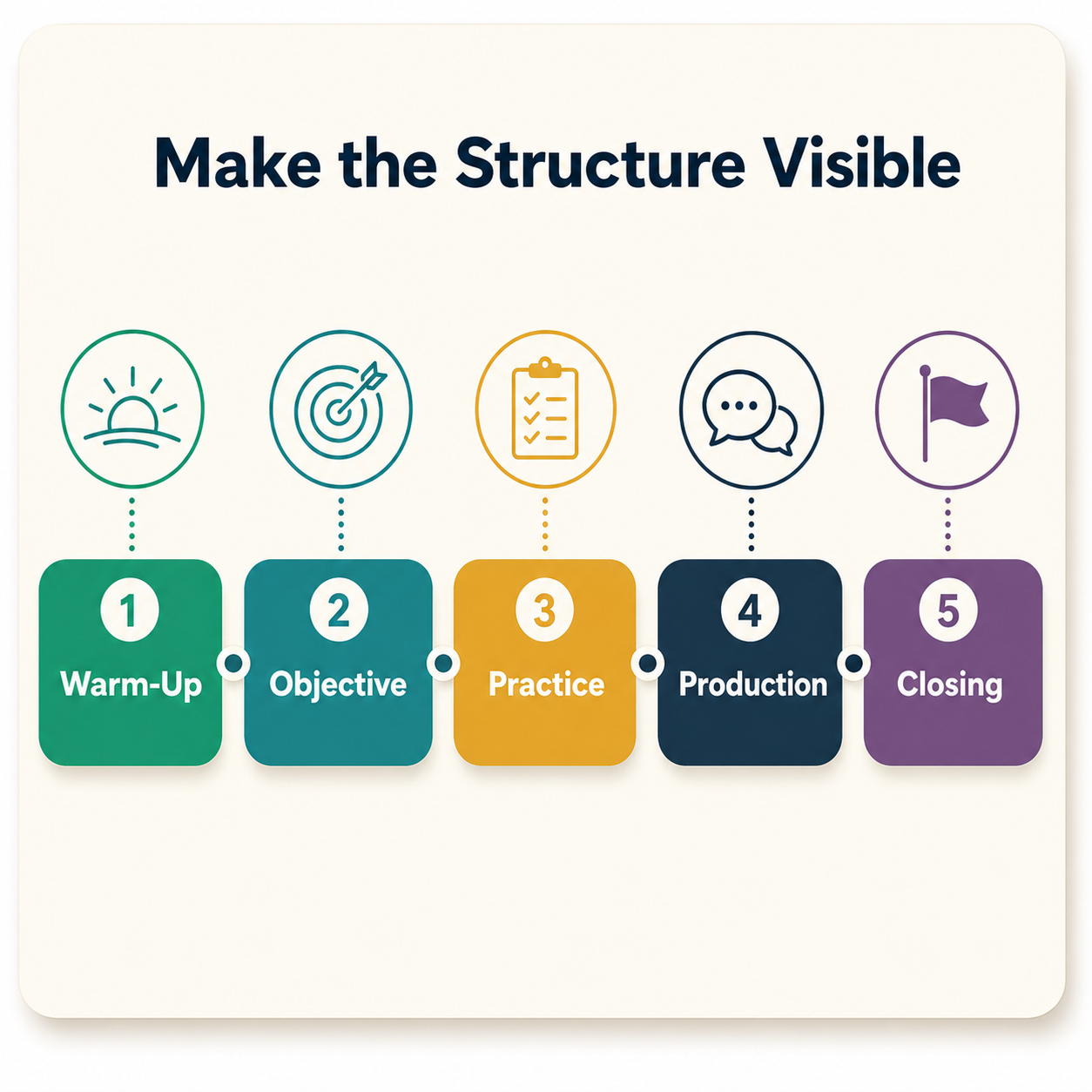
5. Make each stage of the lesson visibly distinct
Signposting transitions out loud — “now that we’ve practiced this, let’s try it on our own” — makes a lesson’s structure obvious to an observer who’s only seeing this one class period, not the whole term’s context.
6. Build in one clear moment of differentiation
A tiered task, a stronger extension question, or a scaffolded option for weaker students — deliberately included and visible during the observed lesson — directly demonstrates a skill inspectors are specifically trained to look for.
7. Plan for balanced participation, not just your strongest students
Deliberately including a mix of volunteered and gently prompted responses across different ability levels shows genuine classroom engagement, rather than a lesson that only appears to flow because the same three students keep answering.
What to Do During the Actual Observation
8. Teach your normal lesson, not a performance
Dramatically changing your usual style for one lesson tends to read as exactly that — a performance — and can throw off both you and your students, who are used to something different. A well-structured version of your genuine teaching is more convincing than an unfamiliar one.
9. Manage nerves by over-preparing the first five minutes
The opening of a lesson is usually the most anxious part for both teacher and students. Having your warm-up and objective statement rehearsed and completely automatic means the hardest part of the lesson is also the part you’re most confident in.
10. Don’t let one hiccup derail your composure
A wrong answer, a technical issue, an unexpected question — inspectors generally evaluate how a teacher handles the unexpected as much as whether everything goes perfectly. Recovering calmly matters more than avoiding every mistake.
After the Visit: Following Up Well
11. Review feedback carefully, even when it’s hard to hear
Specific, critical feedback is usually the most useful kind you’ll receive all year — treating it as a genuine tool for improvement rather than purely a judgment tends to shape how it’s received in future visits too.
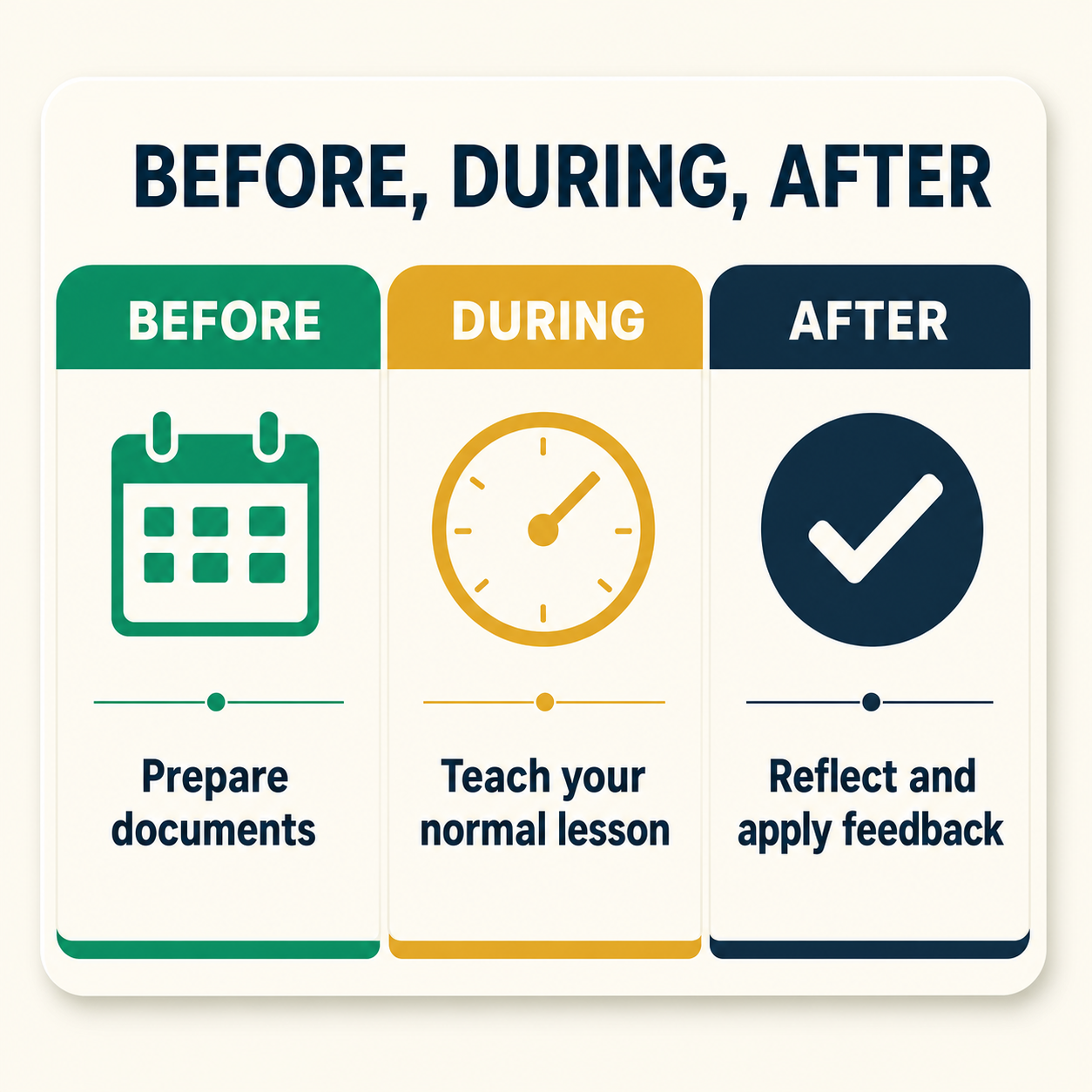
12. Visibly apply at least one piece of feedback before the next visit
Inspectors often notice returning teachers’ growth over time. Making a genuine, visible change based on previous feedback — and being able to speak to it directly if asked — demonstrates the kind of reflective practice inspection is ultimately trying to encourage.
Where solid documentation habits start
The Teacher Bundle‘s Record Book and Tracker are built around exactly this kind of year-round documentation — a yearly pacing guide, daily lesson log, and grade sheets that follow the Moroccan marking system — so the “paperwork readiness” described above becomes a habit that’s already in place well before any visit is announced. And having a set of polished, exam-verified lessons ready to teach from, like those in the Smart English Worksheets Complete Pack, means the observed lesson itself is built on material that’s already well-structured. A few sample lessons are free to try in the Worksheet Library.
Putting It Together
An inspection visit rewards habits built over a full year, not a single well-rehearsed lesson — consistent documentation, a clear and visible lesson structure, and genuine differentiation are things an inspector can recognize as real, working practice rather than a performance. Start by making your record book something you update weekly, not something you scramble to complete the night before a visit is announced.
The Textbook Directory can also help you find material already matched to your exact level and textbook if you’re building out lesson plans ahead of a visit.
Common criteria include a clearly stated lesson objective, a visible and logical lesson structure, evidence of differentiation for different student levels, effective classroom management, and up-to-date documentation such as a pacing guide, lesson plans, and grade records.
The most effective preparation happens well before any visit is announced — keeping your record book, lesson plans, and grade sheets consistently up to date all year, rather than assembling them hastily once notice of a visit arrives. A small portfolio of graded student work is also useful to have on hand.
Generally, no — a dramatically different lesson style than what students are used to tends to read as a performance rather than genuine teaching. A well-structured version of your normal approach, with clear objective-setting and visible lesson stages, tends to come across as more convincing and is easier to execute confidently.
You typically receive feedback on your lesson and documentation. Reviewing this feedback carefully and making a genuine, visible change before your next visit is generally viewed favorably, since inspectors often track a teacher’s development and reflective practice over multiple visits, not just a single observation.
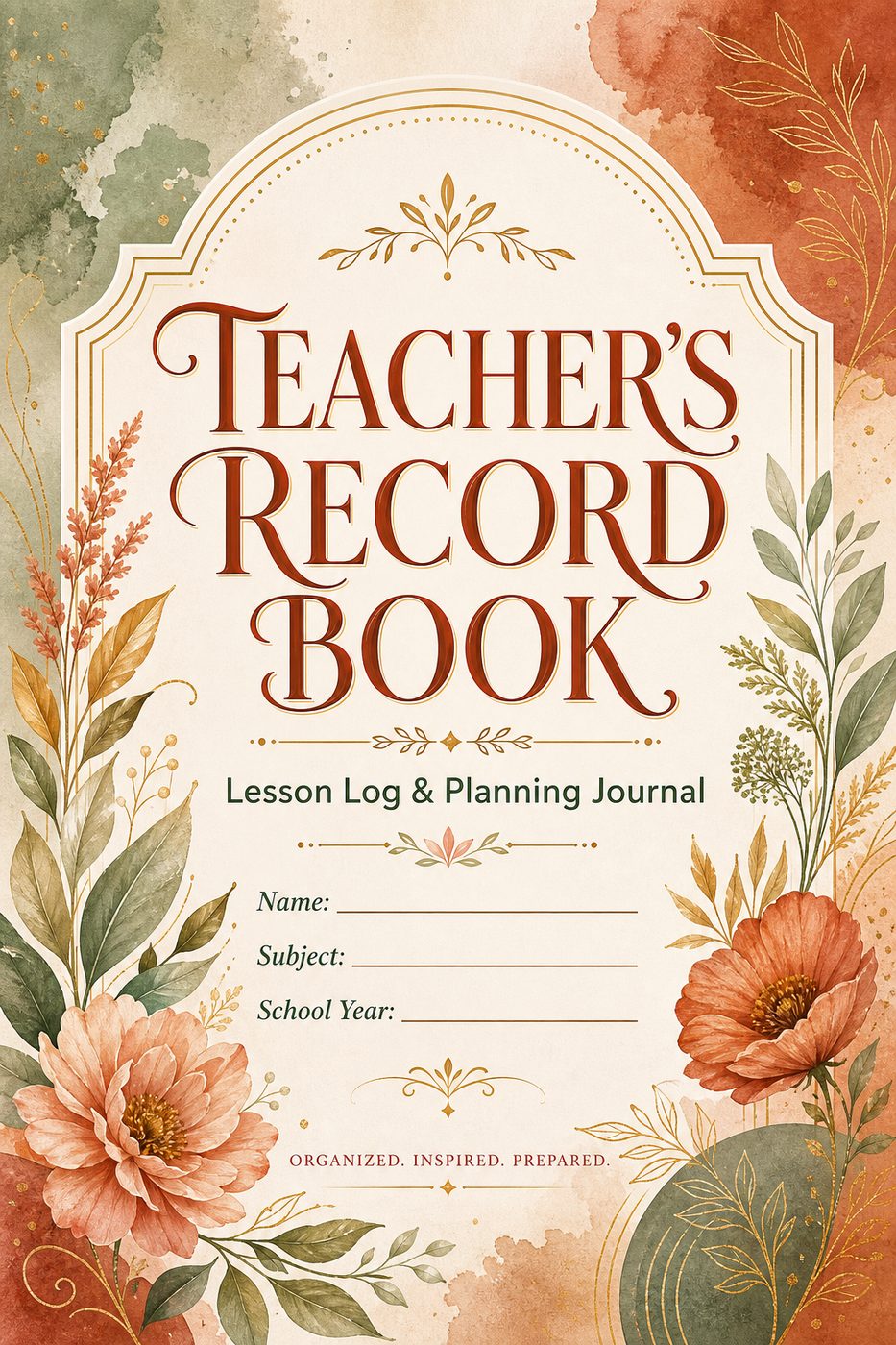
The Teacher Bundle
A complete Record Book, Tracker, and bonus Lesson Planner — everything to plan, teach, and track your school year in one beautiful set.
Discover The Teacher Bundle →
Scan with your phone camera, then tap "Install" on the site to add it to your home screen.
Or open myteacher.ma on your phone