
Motivating Unmotivated Teens: Practical Ways to Get Students Engaged
Passive, disengaged students are one of the most common frustrations in Moroccan EFL classrooms. Here are practical, low-prep ways to build genuine motivation — not just short-term compliance.
 By My Teacher
·
August 10, 2026
·
6 min read
By My Teacher
·
August 10, 2026
·
6 min read

Arms crossed. Eyes on the desk. A question met with silence not because nobody knows the answer, but because nobody’s decided it’s worth answering. Most English teachers in Morocco know this room well, and it’s one of the most draining parts of the job — not the noise, but the absence of it.
Motivation isn’t a personality trait some students have and others don’t. It’s built, or worn down, by what happens in the room every single day — and it responds to specific, practical changes far more than it responds to enthusiasm alone.
A pattern, not a personal failing
Passive engagement and low intrinsic motivation are named repeatedly across studies of Moroccan EFL classrooms — frequently linked to exam-focused instruction, limited perceived relevance of content, and a classroom culture where mistakes carry real social cost.
Why Moroccan Teens Disengage in English Class
Disengagement rarely comes from disliking English itself — it tends to come from English feeling disconnected from anything the student actually cares about, combined with a well-founded fear that getting it wrong in front of peers costs more than staying quiet. Both of those are things a lesson can directly address.
Make the Language Feel Relevant
1. Replace generic examples with topics students actually care about
The same grammar point taught through a passage about football transfers, social media, or a local event lands very differently than the same point taught through an abstract, textbook-neutral example. The structure doesn’t change — the relevance does.

2. Give students small, real choices
Letting students choose between two topics for a writing task, or pick which of two questions to answer first, costs you nothing to offer but measurably increases investment — choice signals that their preference matters, even within a fixed curriculum.
3. Connect new language to something happening this week
A current event, a popular show, something trending locally — briefly tying a lesson’s language to something already on students’ minds costs a sentence of setup and noticeably raises attention for what follows.
Build in Small, Visible Wins
4. Break big goals into visibly achievable steps
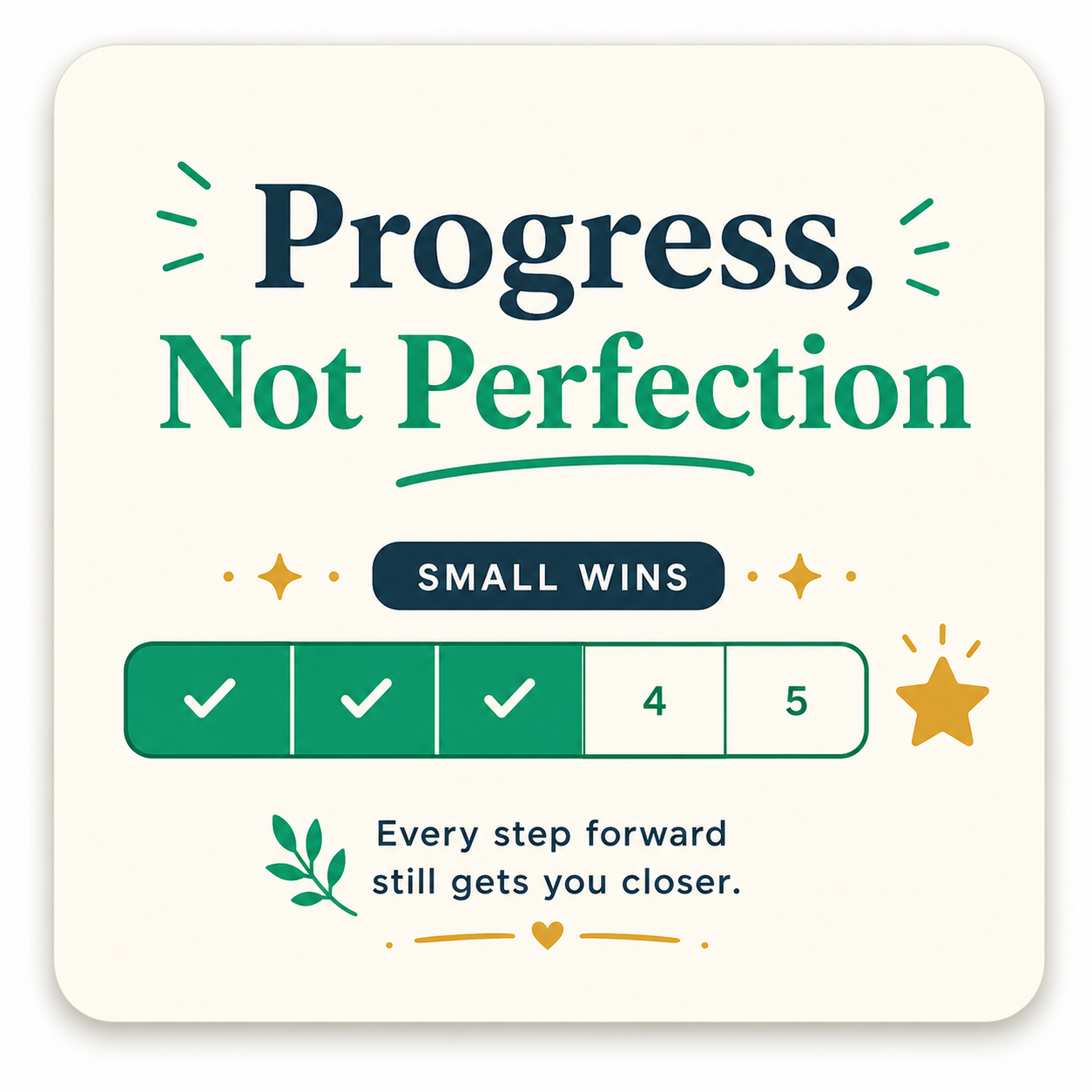
“Get better at English” motivates nobody. “Use three new words correctly today” is achievable by the end of a single lesson — and achievable, visible goals build motivation in a way that distant, vague ones never do.
5. Track progress students can see for themselves
A simple running record — a checklist of skills mastered, a personal best on a timed task — gives students visible evidence of improvement, which is one of the most reliable motivators there is, and one most classrooms never make visible at all.
6. Celebrate effort and improvement publicly, not just top scores
Consistently praising only the strongest students teaches everyone else that recognition isn’t available to them. Naming visible improvement — “much stronger than last week” — spreads motivation to students who will never top the class, but can absolutely improve.
Use Competition and Novelty Sparingly But Well
7. Introduce light competition, but keep stakes low
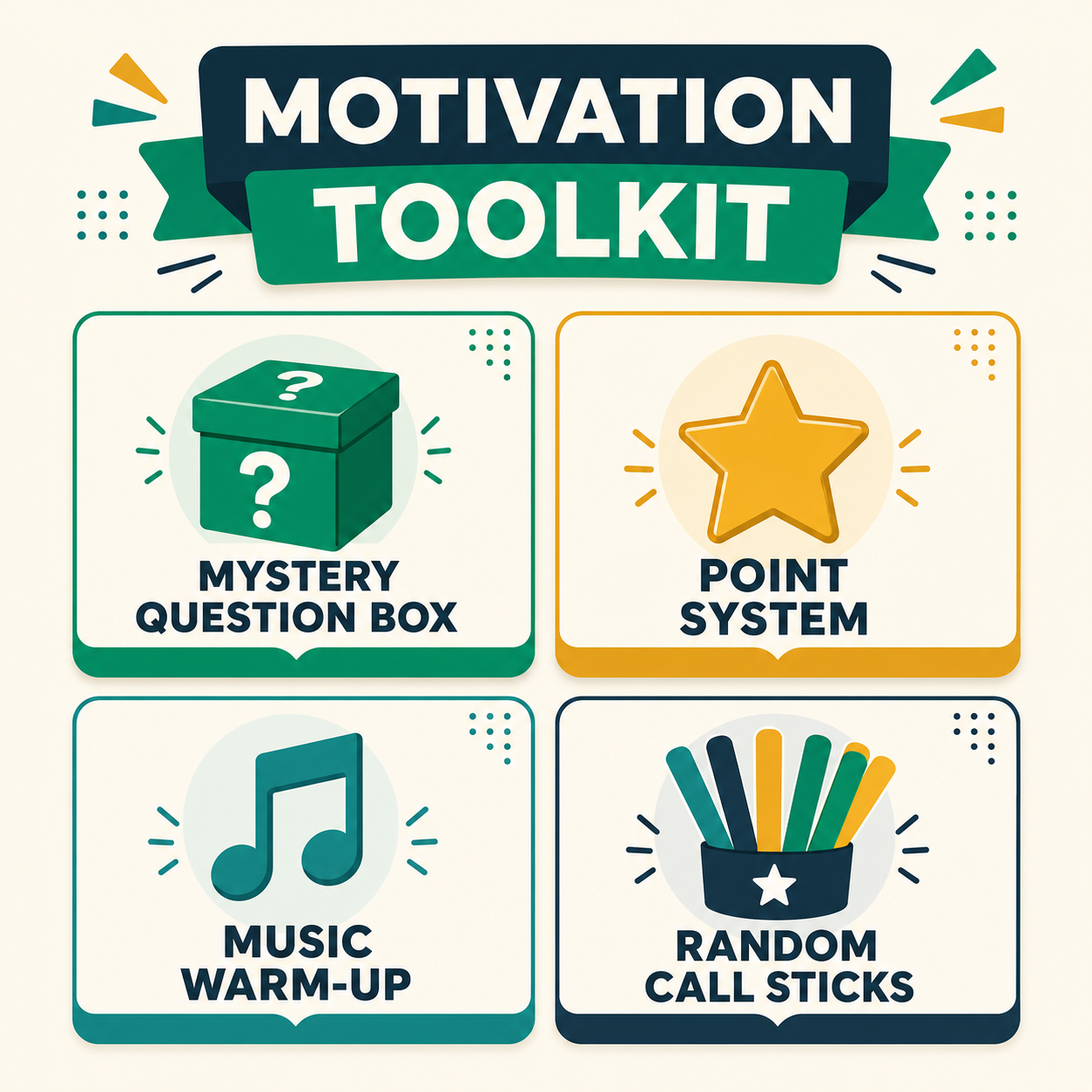
A simple points system or team-based review game taps into genuine motivation for many students, as long as losing carries no real cost beyond the game itself — competition that feels risk-free tends to energize a room rather than shutting down its quieter members.
8. Save novelty for when it counts
A genuinely different activity format — a mystery question box, a music-based warm-up — works because it’s not what happens every day. Overusing novelty techniques turns them into the new routine, and they quietly lose the exact effect that made them work.
9. Use unpredictability in low-stakes ways
Randomly drawn name sticks for who answers next, or a surprise bonus question, adds a small amount of engaging unpredictability to an otherwise predictable lesson structure — without the anxiety of always knowing you might be called on for something high-stakes.
Motivation Is a Relationship, Not Just a Technique
10. Learn something specific about disengaged students
A brief, genuine question about a student’s interest outside class — and referencing it later — does more for that individual student’s investment in your lessons than almost any activity design choice could.
11. Model visible enthusiasm for the language itself
Students consistently pick up on whether a teacher finds the material genuinely worth engaging with. Visible interest — reacting authentically to a good answer, a good text, a good idea — is difficult to fake convincingly, but it’s one of the most contagious things in a classroom when it’s real.
Where well-designed material helps
Every worksheet in the Smart English Worksheets Complete Pack is built around a clear structure and achievable “Your Turn” tasks, which removes one common source of disengagement — confusion about what’s actually being asked. A few sample lessons are free to try in the Worksheet Library. For students who respond well to seeing their own progress, the Smart English (Student Book) includes a self-assessment tracker and weekly study planner built specifically around that kind of visible, motivating progress.
Putting It Together
Motivation rarely comes back all at once — it builds gradually through relevance, visible small wins, and a classroom where getting something wrong doesn’t feel costly. Start with one relevant topic swap and one visible way for students to track their own progress; both are low-effort changes with a genuinely noticeable effect within a few weeks.
Research points to a combination of exam-focused instruction that can feel disconnected from real use of the language, limited perceived relevance of classroom content to students’ actual lives, and a fear of making mistakes in front of peers — rather than any lack of ability or interest in the language itself.
Swap a generic example for a topic students already care about, offer a small real choice between two options, or briefly connect a lesson to something happening that week. All three cost little to no extra preparation but noticeably raise attention.
Light, low-stakes competition — where losing carries no real cost beyond the activity itself — tends to energize a classroom and motivate many students. Competition becomes counterproductive when the stakes feel real, since it then reinforces the same fear of failure that causes disengagement in the first place.
Focus on small, clearly achievable goals rather than broad ones, make progress visible through a simple tracking system, and publicly recognize improvement rather than only top performance. Struggling students often disengage specifically because success feels unreachable — visible small wins directly address that.
The Teacher Bundle
A complete Record Book, Tracker, and bonus Lesson Planner — everything to plan, teach, and track your school year in one beautiful set.
Discover The Teacher Bundle →
Scan with your phone camera, then tap "Install" on the site to add it to your home screen.
Or open myteacher.ma on your phone