
No Photocopier, No Projector: Teaching English With Zero Resources
No photocopier this week, no projector at all this year — a reality for many Moroccan public school teachers. Here's how to teach a genuinely effective English lesson with nothing but a board, chalk, and your voice.
 By My Teacher
·
August 9, 2026
·
6 min read
By My Teacher
·
August 9, 2026
·
6 min read
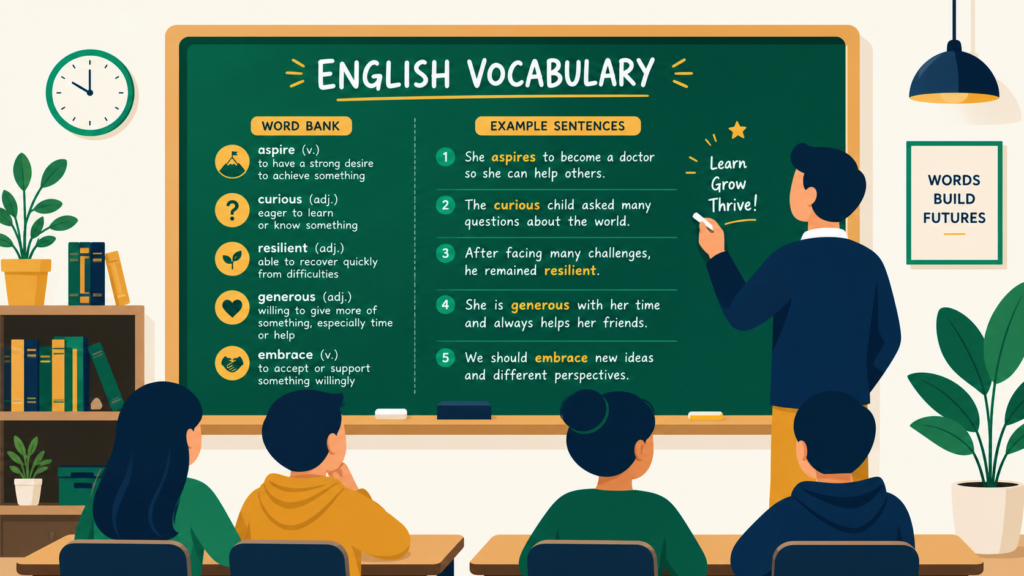
No photocopier this week. No projector at all, this year, or maybe ever. For a large number of English teachers in Moroccan public schools, this isn’t a temporary inconvenience — it’s simply the classroom. And most teaching advice online quietly assumes access to neither problem exists.
None of that makes a genuinely effective lesson impossible. It just means the board, your voice, and your students’ own notebooks have to do more of the work — which, done well, they’re entirely capable of.
A widely shared reality, not an exception
Lack of teaching materials and equipment is repeatedly cited as a major obstacle by Moroccan EFL teachers, particularly in public schools — often ranked alongside class size as one of the two most limiting factors on what a lesson can look like.
Why Resource Scarcity Is So Common in Moroccan Public Schools
Photocopying budgets, working projectors, and reliable printers are unevenly distributed across Moroccan public schools, and many teachers report going entire terms without meaningful access to any of them. The techniques below aren’t a “backup plan” for an occasional bad week — they’re a genuinely complete way to teach when that’s simply the standing situation.
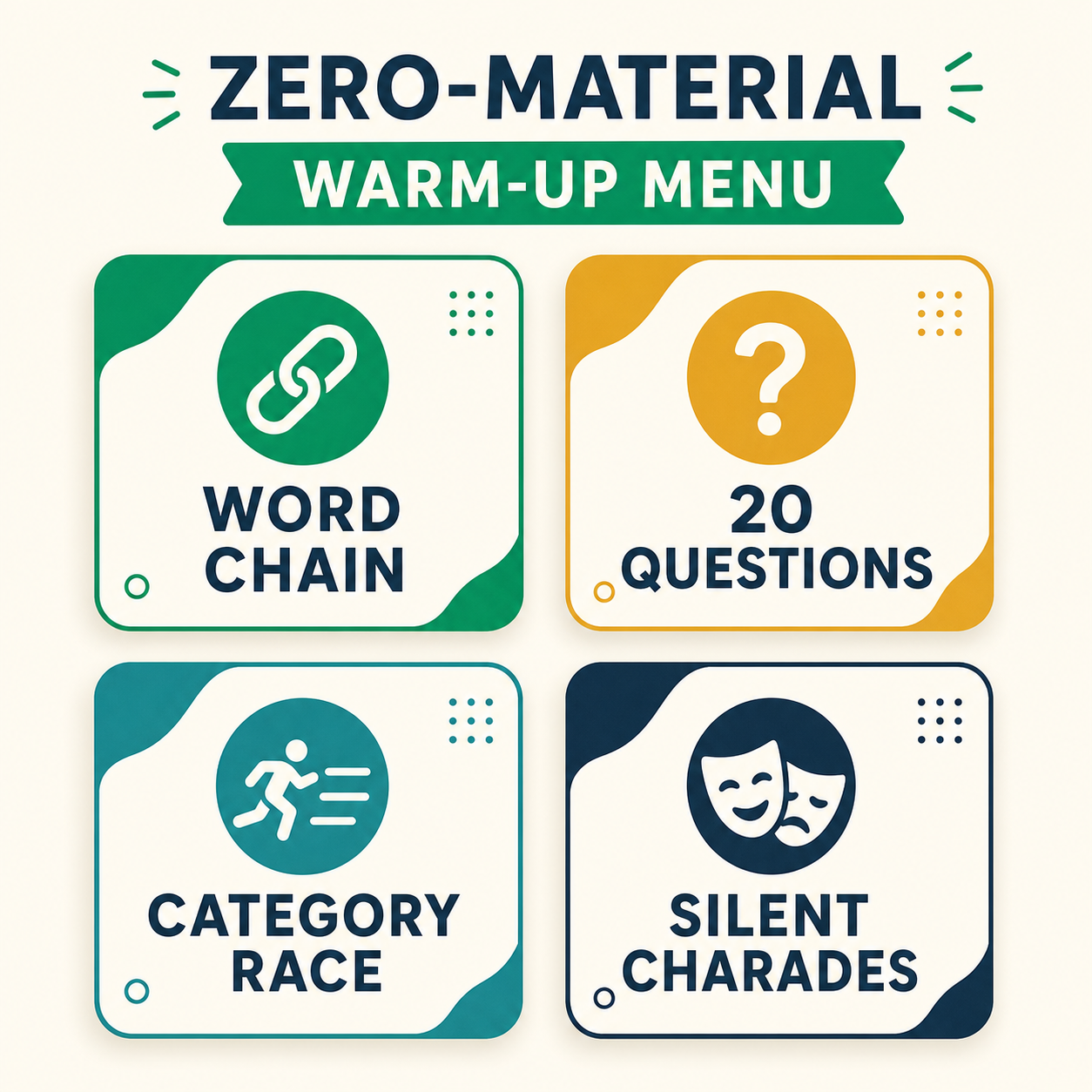
Zero-Material Warm-Ups and Openers
1. Word Chain
The last letter of one student’s word becomes the first letter of the next student’s word, spoken aloud around the room. It reviews vocabulary, requires nothing but attention, and works identically whether you have 20 students or 50.
2. Twenty Questions
Think of a word from the current unit; students ask yes/no questions until someone guesses it. This drills question formation and vocabulary simultaneously, and needs nothing beyond a topic in your head.
3. Category Race
Give a category — “things in a kitchen,” “adjectives for personality” — and go around the room with each student adding one new word without repeating. It’s fast, it’s oral, and it naturally differentiates itself: stronger students reach further into their vocabulary as the round continues.
Teaching Vocabulary and Grammar With Just a Board
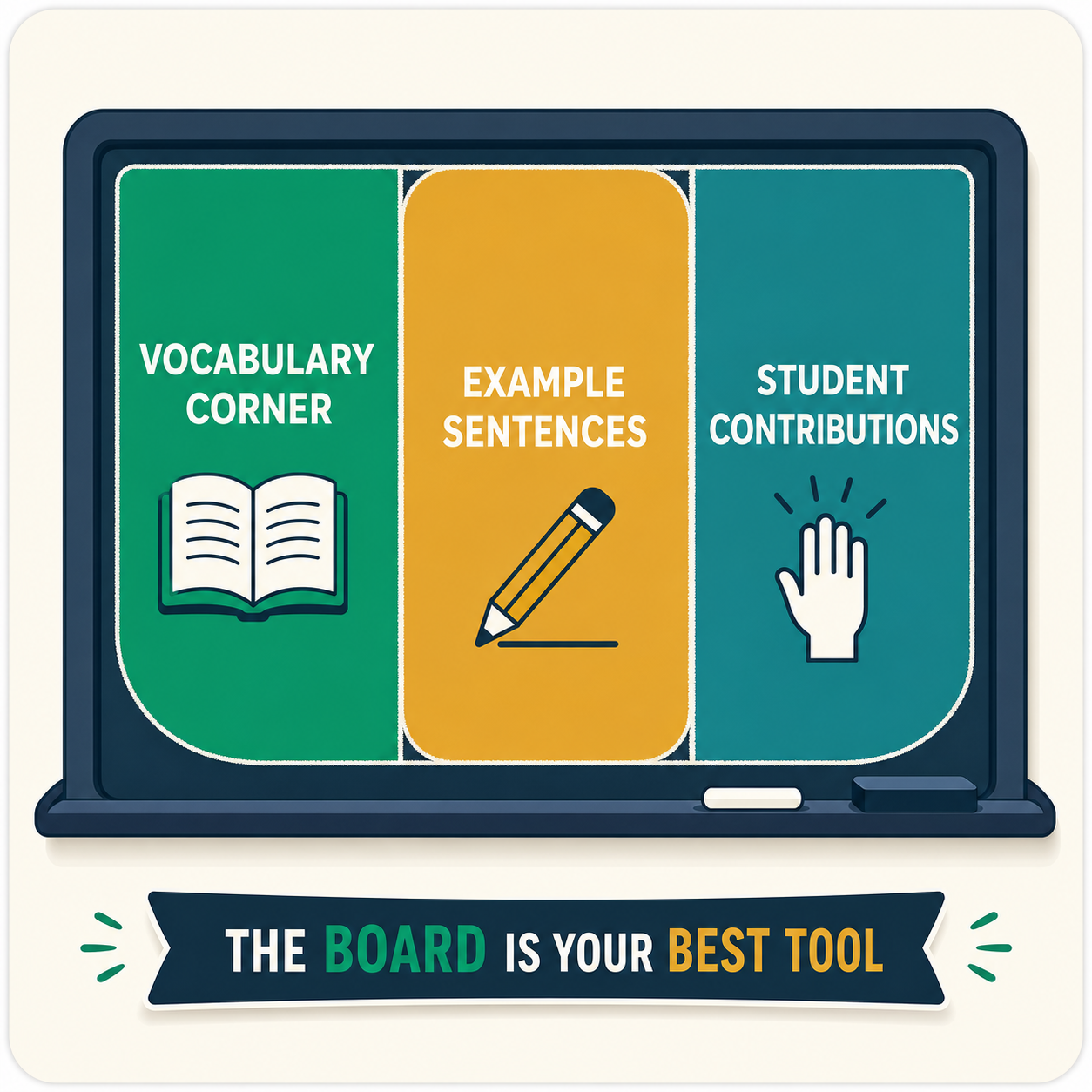
4. Divide your board into fixed zones
Dedicate a consistent corner of the board to new vocabulary, a center section for example sentences, and a side section where you write up strong answers students contribute. Once the pattern is familiar, students know exactly where to look for each kind of information — the board becomes organized reference material, not just temporary scribble.
5. Have students copy, not just watch
Requiring new vocabulary and example sentences to be copied into notebooks turns the board into every student’s only textbook for that lesson — and gives you material you can verbally quiz from later without needing it printed anywhere.
6. Use gap-fill sentences written live on the board
Write a sentence with a blank, have the class call out or write the missing word, then fill it in visibly. This achieves the same grammar-practice goal as a printed gap-fill worksheet, produced in real time with zero materials.
Speaking and Listening Practice With No Equipment
7. Dictation as listening practice
Read a short passage aloud at a natural pace while students write what they hear, then check together. This is genuine listening practice that needs no audio equipment at all — your voice is the entire listening material.
8. Read-aloud with comprehension questions asked orally
Read a passage from the textbook aloud, then ask comprehension questions verbally rather than distributing a printed question sheet. Students answer orally or in their notebooks — reading comprehension is tested identically either way.
9. Pair storytelling with a fixed structure
Give students a simple structure — “describe a person, then their job, then one thing that happened to them” — and have pairs tell each other a short spoken story following it. This produces genuine extended speech without any printed prompt required.
When You Do Get Occasional Access to a Photocopier
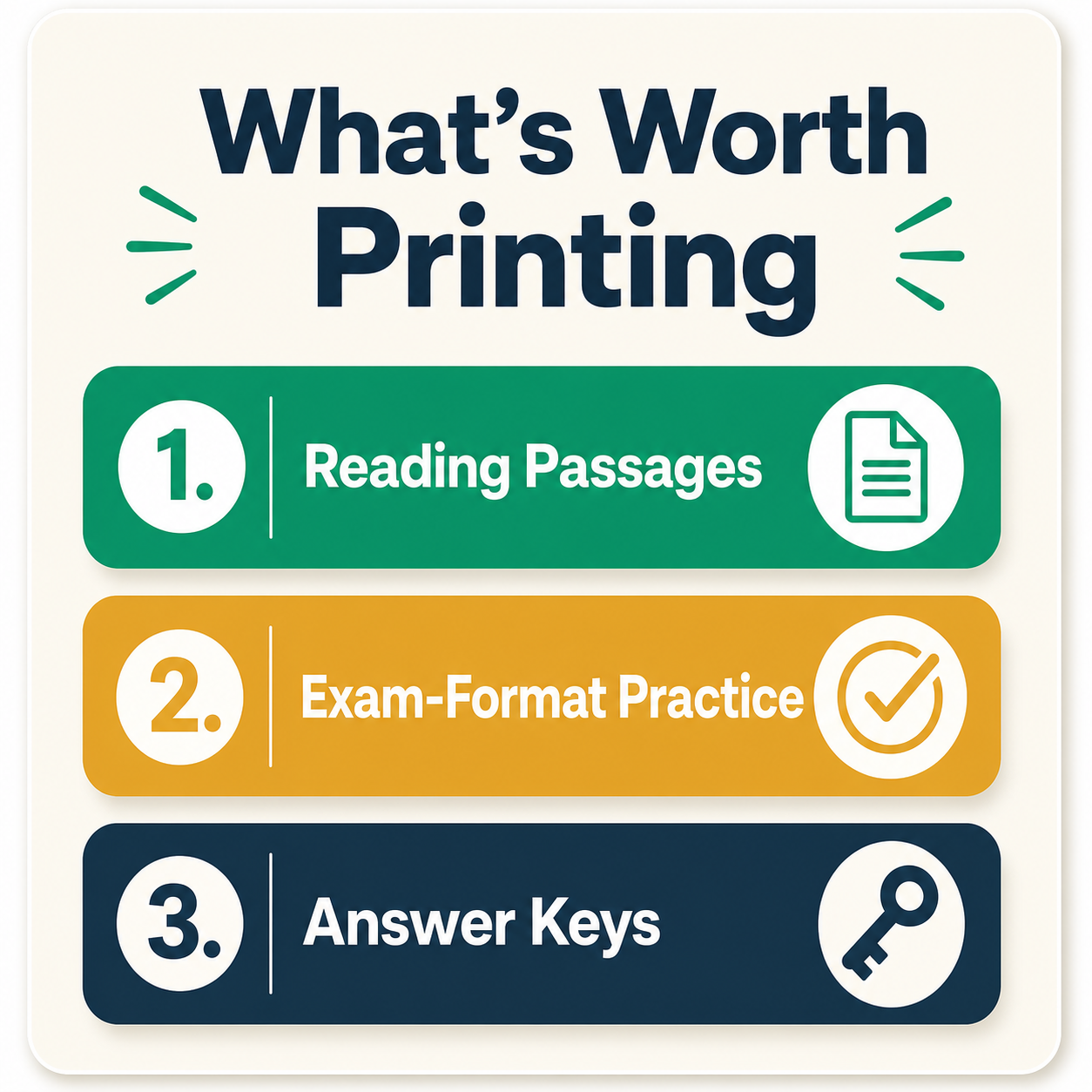
10. Prioritize what genuinely needs to be on paper
Reading passages, exam-format practice, and answer keys benefit most from being printed — they’re the material students most need to see in a fixed, referenceable format. Vocabulary lists and grammar rules, by contrast, work almost as well copied by hand into a notebook from the board.
11. Print one master copy and read from it, even if you can’t distribute it
A single printed copy that only you hold still lets you deliver a properly structured reading or exam-format activity aloud, question by question, even when there isn’t budget to copy it for every student.
When you do have printing access
Every lesson in the Smart English Worksheets Complete Pack works exactly the same way if you don’t have a printer this week — the vocabulary, example sentences, and questions can be delivered verbally or copied onto the board directly from your own copy, and printed only when a photocopier genuinely becomes available. A few sample lessons are free to try in the Worksheet Library if you’d like to see how a lesson is structured first.
Putting It Together
A missing photocopier or projector limits what a lesson looks like — it doesn’t limit whether real vocabulary, grammar, reading, or speaking practice can happen. The board, your own voice, and a notebook students already own can carry a genuinely complete lesson. Start with a fixed board layout and one oral dictation exercise; both cost nothing and immediately give a “resource-free” lesson real structure.
The Textbook Directory can also help you find material already matched to your exact level and textbook, so any planning you do stays aligned with what your students are officially studying.
Focus on techniques that use the board, your voice, and student notebooks as the primary materials: fixed board zones for vocabulary and examples, oral dictation for listening practice, and read-aloud comprehension questions asked verbally instead of printed. None of these require any equipment.
Word Chain, Twenty Questions, and Category Race are effective, fully oral warm-ups that need no materials. For full lessons, board-based gap-fill sentences and paired storytelling with a fixed structure both deliver genuine grammar and speaking practice without any printed handout.
Read passages aloud directly from the textbook and ask comprehension questions orally rather than distributing a printed sheet; for writing, have students copy model sentences from the board into their notebooks and then produce their own following the same structure.
Reading passages, exam-format practice, and answer keys benefit most from being on paper, since students need to reference them in a fixed format. Vocabulary lists and grammar rules can be copied by hand from the board almost as effectively, so they’re the safest thing to skip printing when copies are limited.
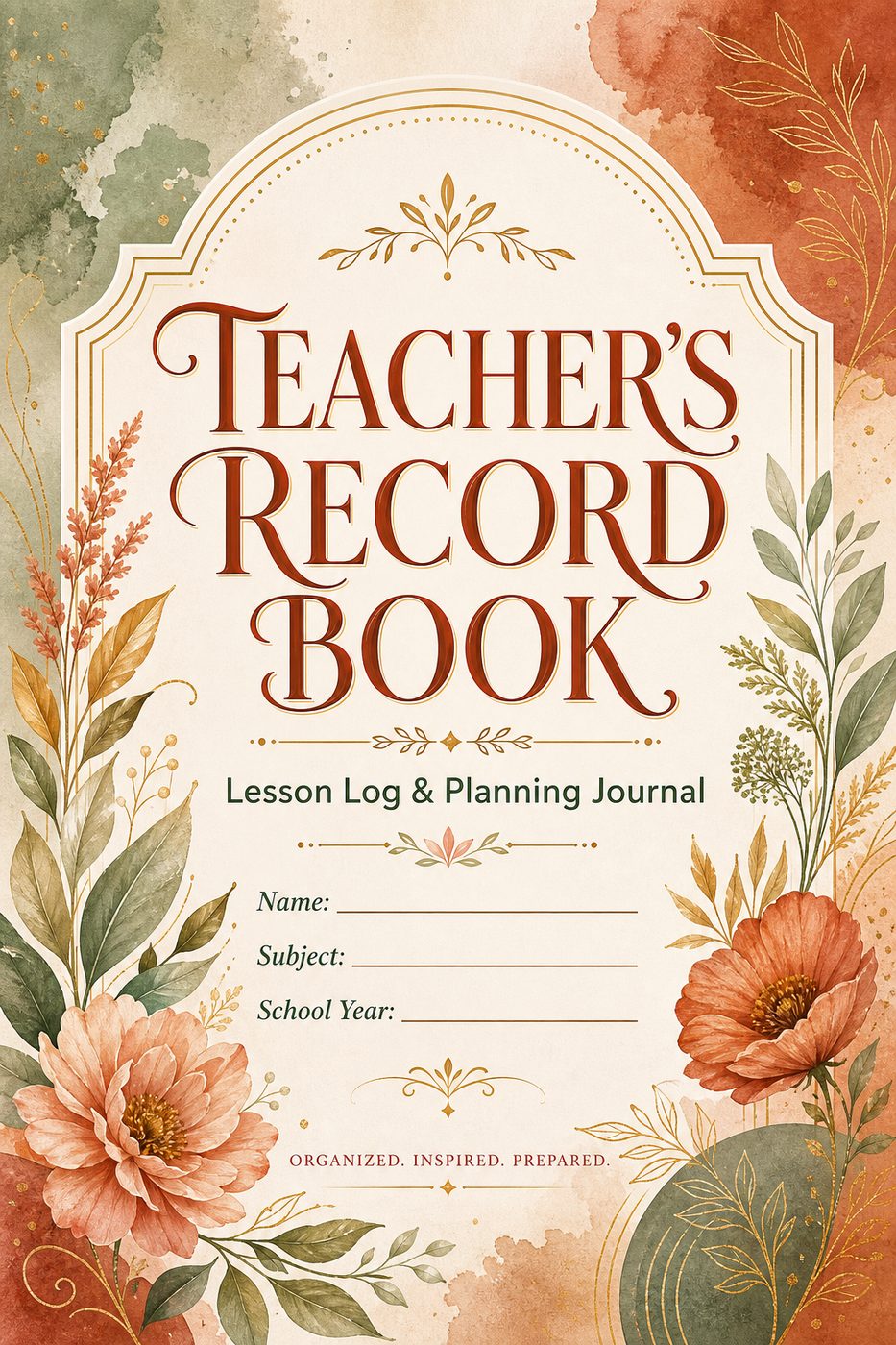
The Teacher Bundle
A complete Record Book, Tracker, and bonus Lesson Planner — everything to plan, teach, and track your school year in one beautiful set.
Discover The Teacher Bundle →
Scan with your phone camera, then tap "Install" on the site to add it to your home screen.
Or open myteacher.ma on your phone